Chifull: A Story of Soil, Soul, and Syntropy
“We are nature, and we can work together with it rather than separate from it.”
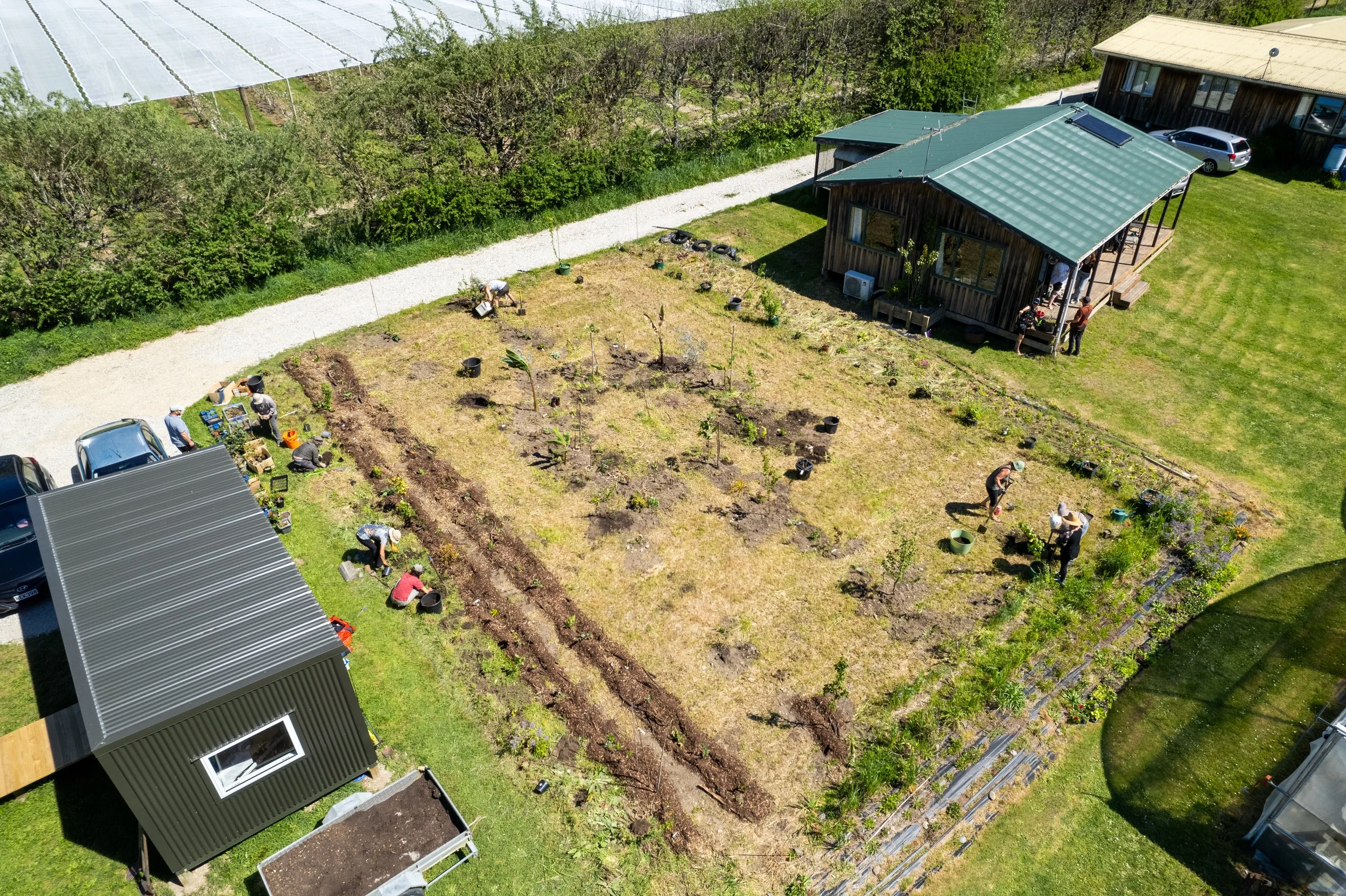
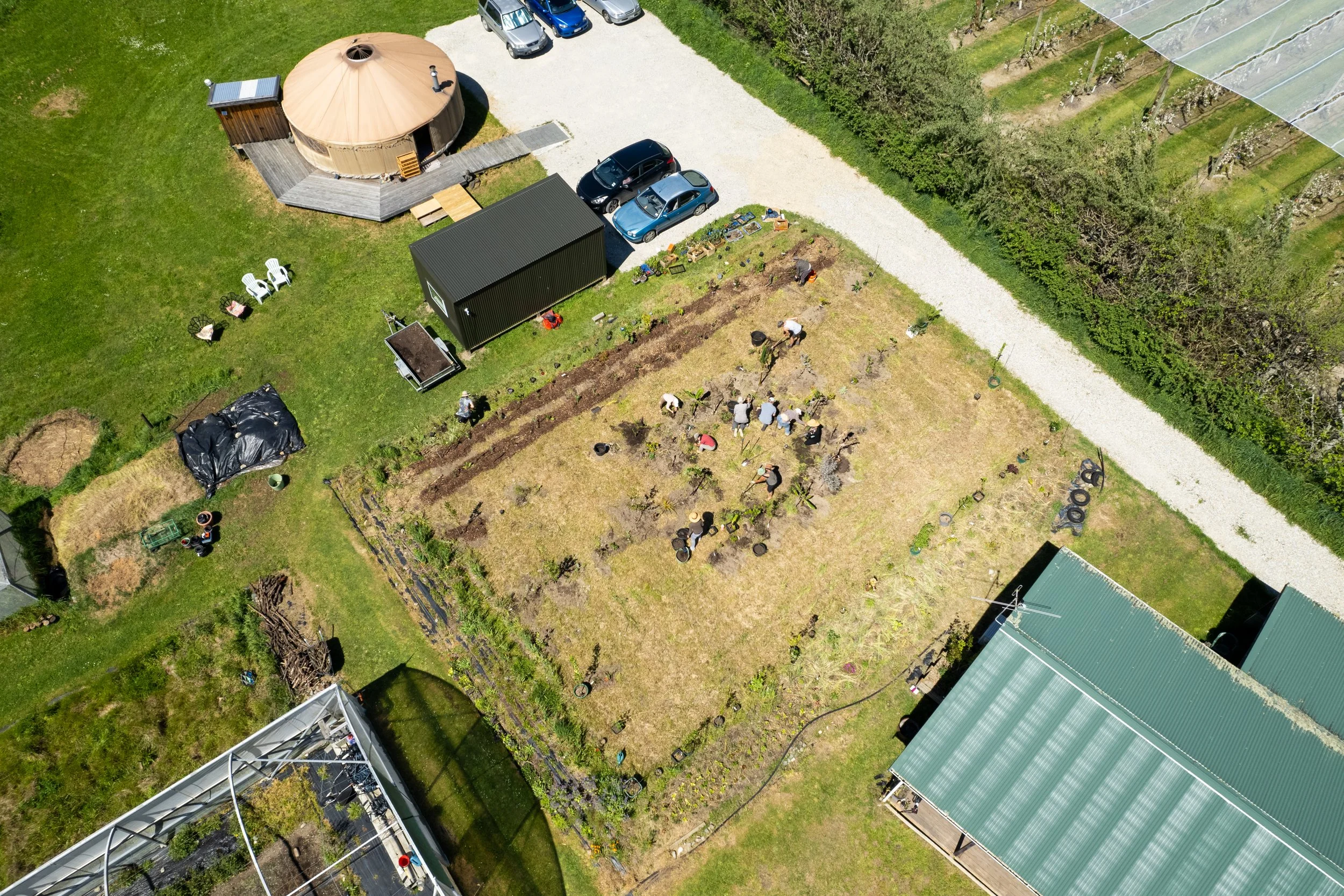
The land at Chifull Sanctuary has been through a lot. Once a riverbed, it was farmed for tobacco in the early 1900s, stripped of much of its vitality in the process. By 1987, when Ron and Edith Sharp purchased the property in Riwaka at the top of the South Island, it needed decades of patient attention to come back to life. Their commercial orchardist neighbours found their organic and biodynamic methods amusing. The soil, eventually, did not.
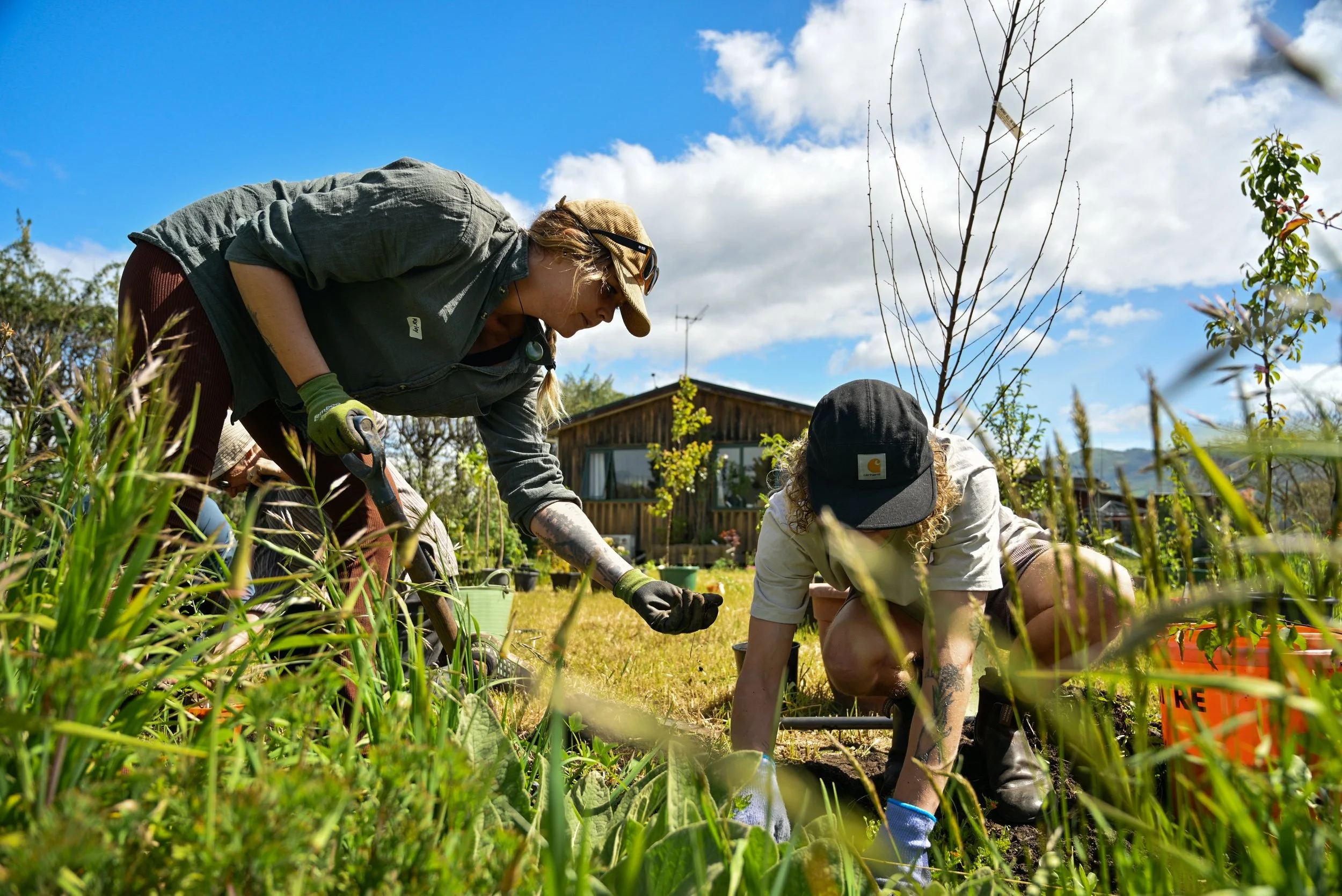
Chifull is a short documentary about what that land has become, and the weekend in mid-October 2025 when eighteen people gathered there to take it further. They came to learn, to dig, to plant, and to remember something most of us have slowly forgotten: that we are not separate from the earth. We are part of it.
Through the voices of land stewards, teachers, a chef, a nursery founder, and a grandmother who has been talking to her carrots for years, the film traces a quiet but urgent movement: people choosing to grow their own food, tend their own soil, and lean on their neighbours rather than the industrial food chain. It follows the arc of a syntropic food forest from dream to first planting, asking what it means to reclaim sovereignty over what we eat, and how much becomes possible when we do it together.
Filmed in the Riwaka Valley with a backdrop of Aotearoa's native birdsong, Chifull is filmed, directed and co-produced by Kai J, Lee of Subtledream Productions.
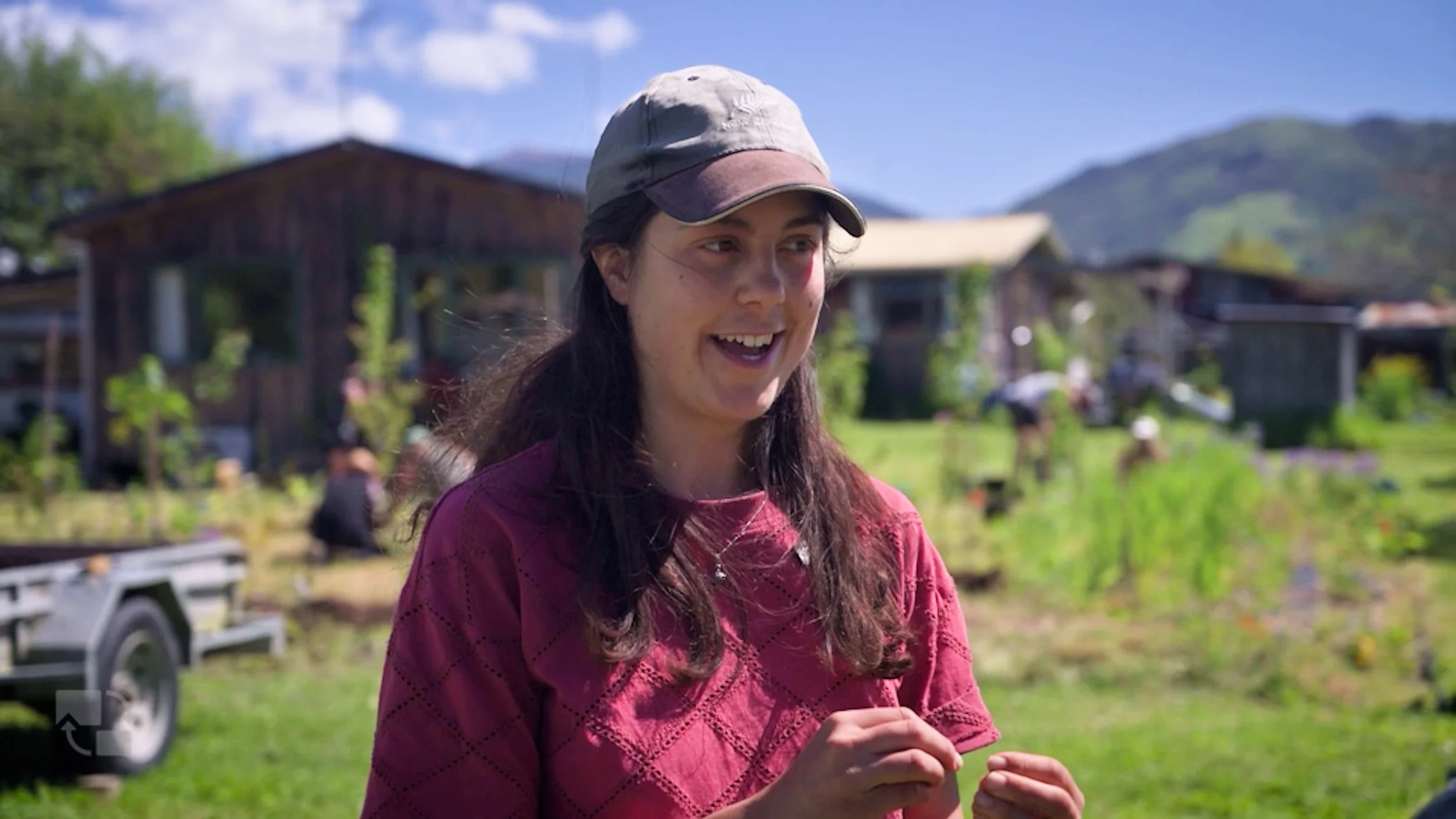
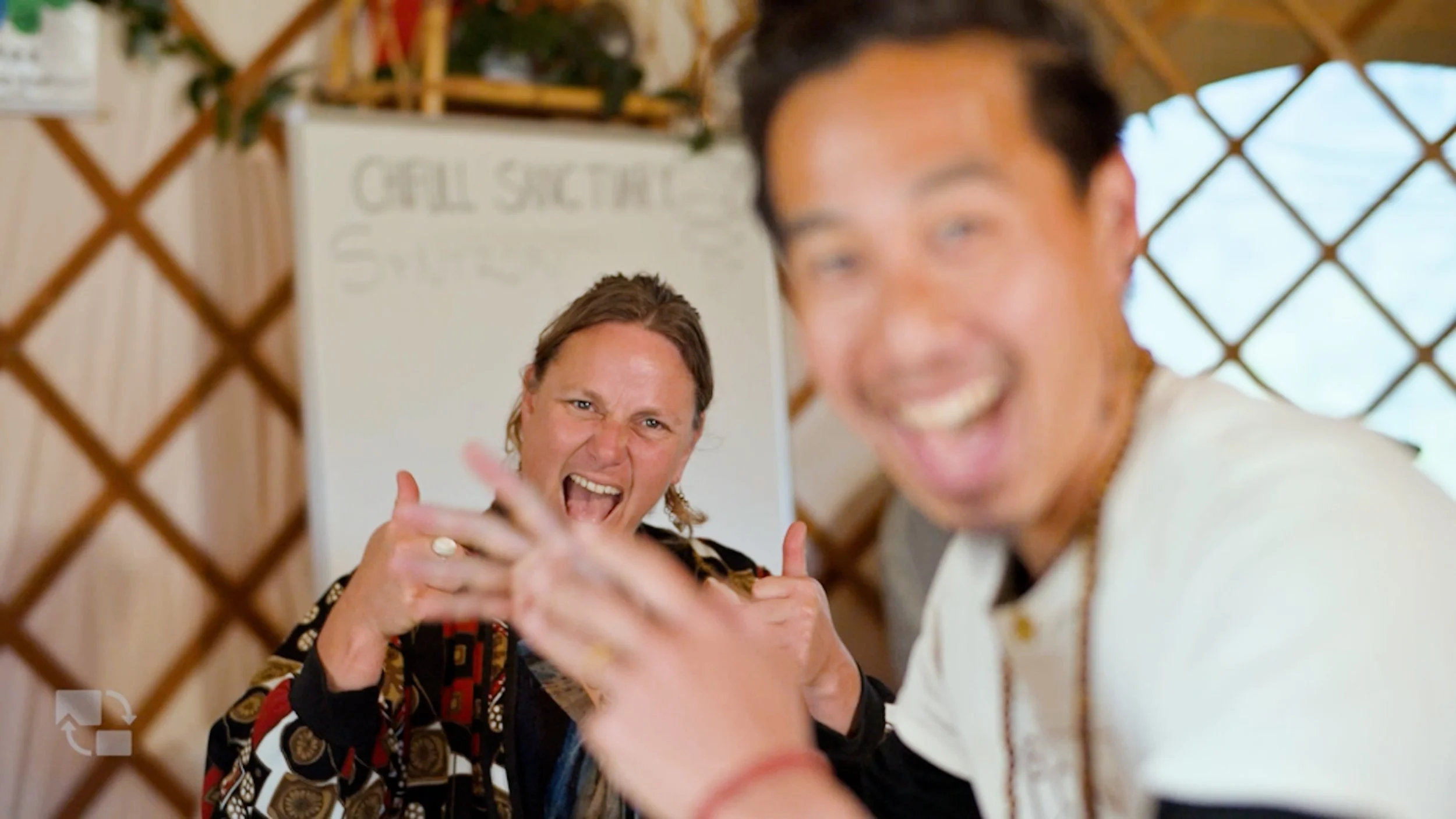
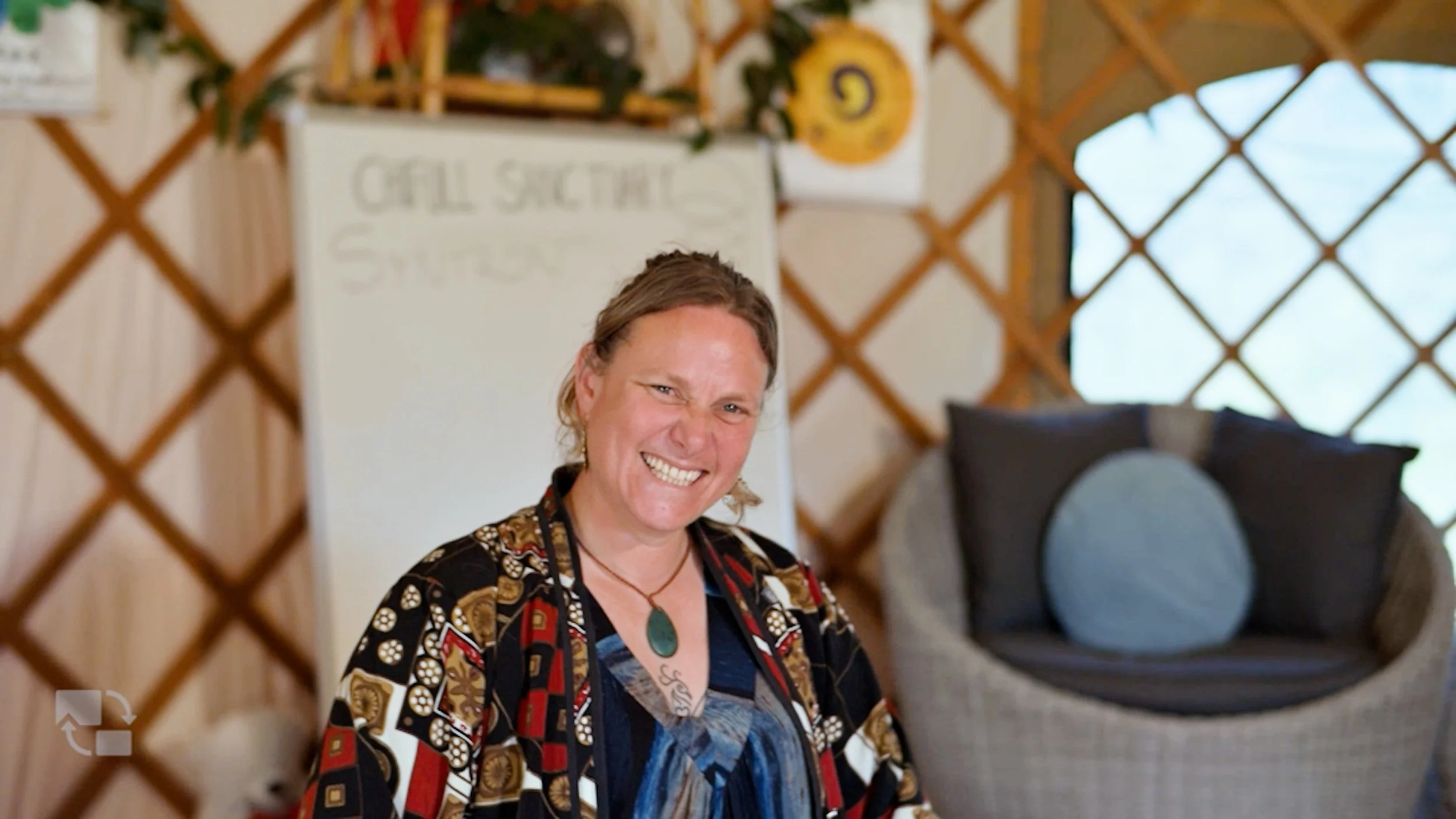
Nicole Sharp
Kaitiaki of Chifull Sanctuary, co-producer
The land at Chifull Sanctuary has its own long memory. Once a riverbed, later a tobacco crop that drew the life from the soil, it was purchased in 1987 by Nicole's parents Ron and Edith Sharp, who spent the next thirty years rebuilding it through organic and biodynamic practice. Their neighbours, mostly commercial orchardists, didn’t think it was viable. The soil and plants thrived in the decades ahead.
Nicole grew up eating strawberries timed to her November birthday and returned to Riwaka eight years ago with a clear sense of purpose. She holds the land not as owner but as kaitiaki: her role, in her own words, is to leave it more abundant than she found it. Her path as a healer has run alongside her path as a grower: she is a practitioner of Yuan Qigong (the practice that gives Chifull its name, chi meaning life force), trained in Ren Xue and Hakomi therapy, and a maker of art from flax, feather, stone, and wood.
The syntropic food forest planted in October 2025, and this film, are the most visible expression yet of what she has been quietly building: a place where healing the earth and healing human life are understood as the same work.
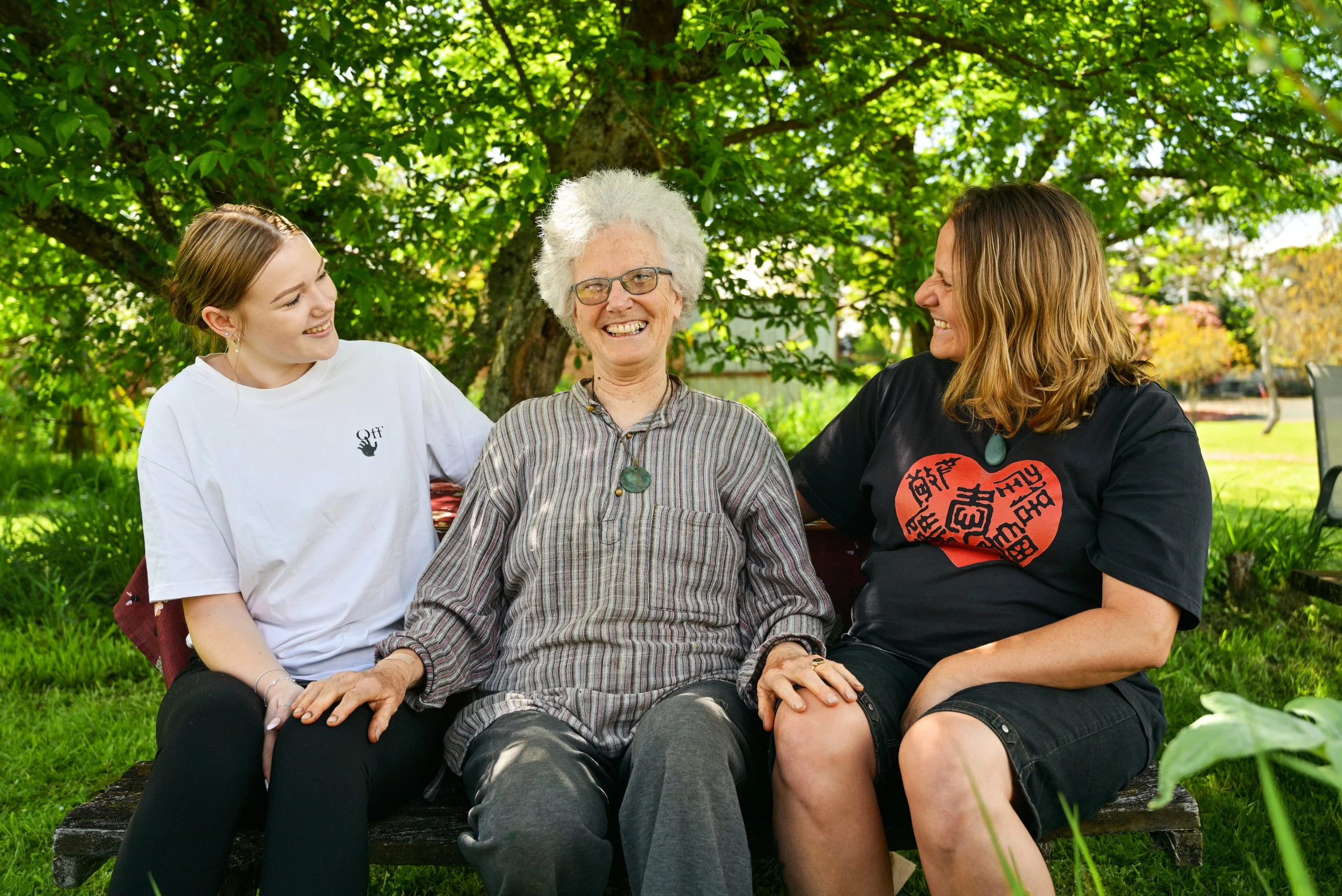
Edith Sharp
Nicole's mother, matriarch of the land
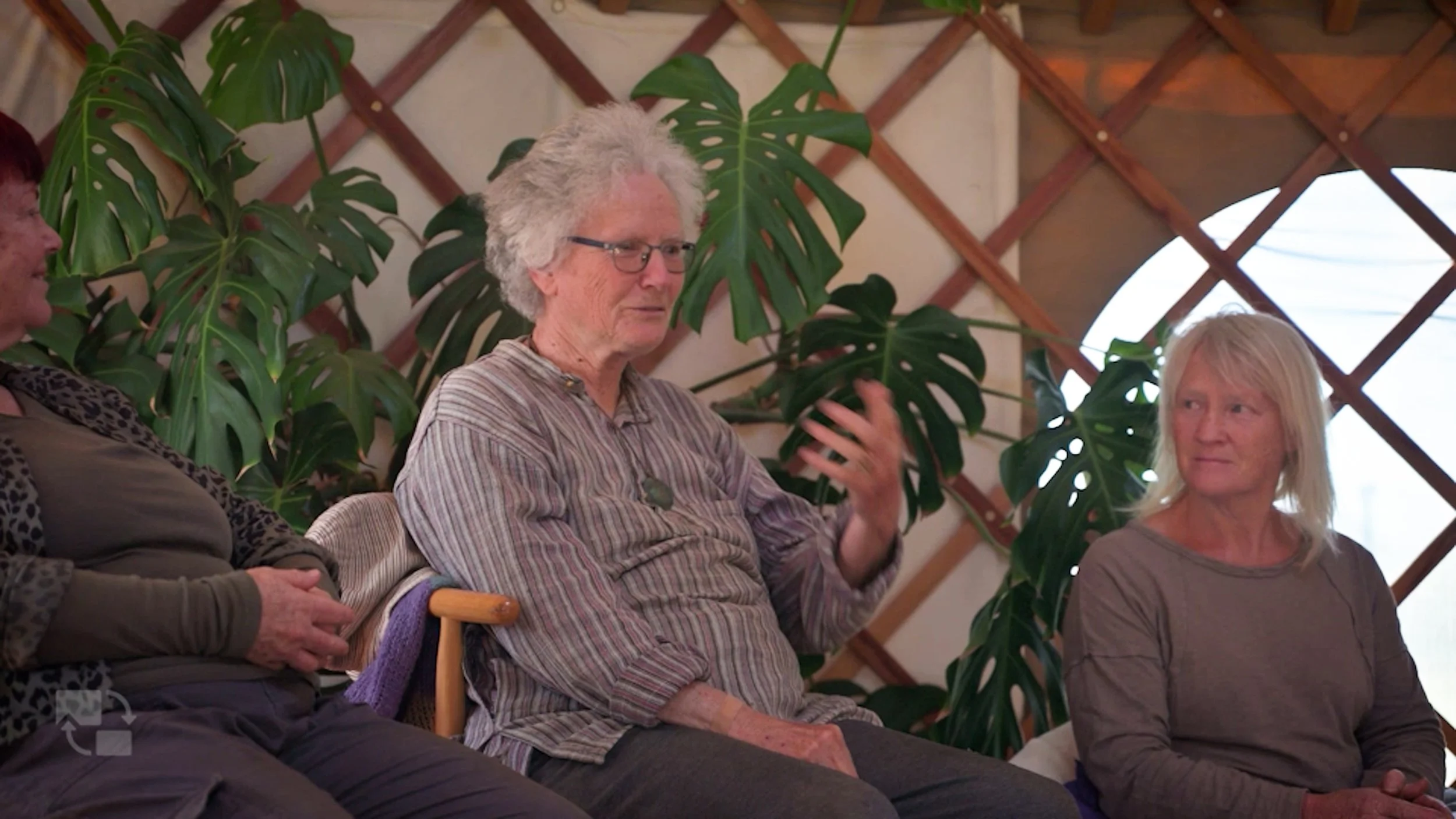
Edith is the reason this soil is what it is. For thirty years she composted, planted, sold organic vegetables from a roadside honesty box, made tinctures and fruit leathers and kombucha, and listened to the land using kinesiology and biodynamic moon cycles. She is a plant person before she is a people person, and she is precise, intuitive, and quietly radical. In the film she demonstrates how she becomes one with a carrot, how she asks the land what it needs, how she has always understood that the relationship between grower and plant is more important than any question you bring to it. She is the matriarch of this land and the living proof that this way of tending the earth is not new. It is just being remembered.
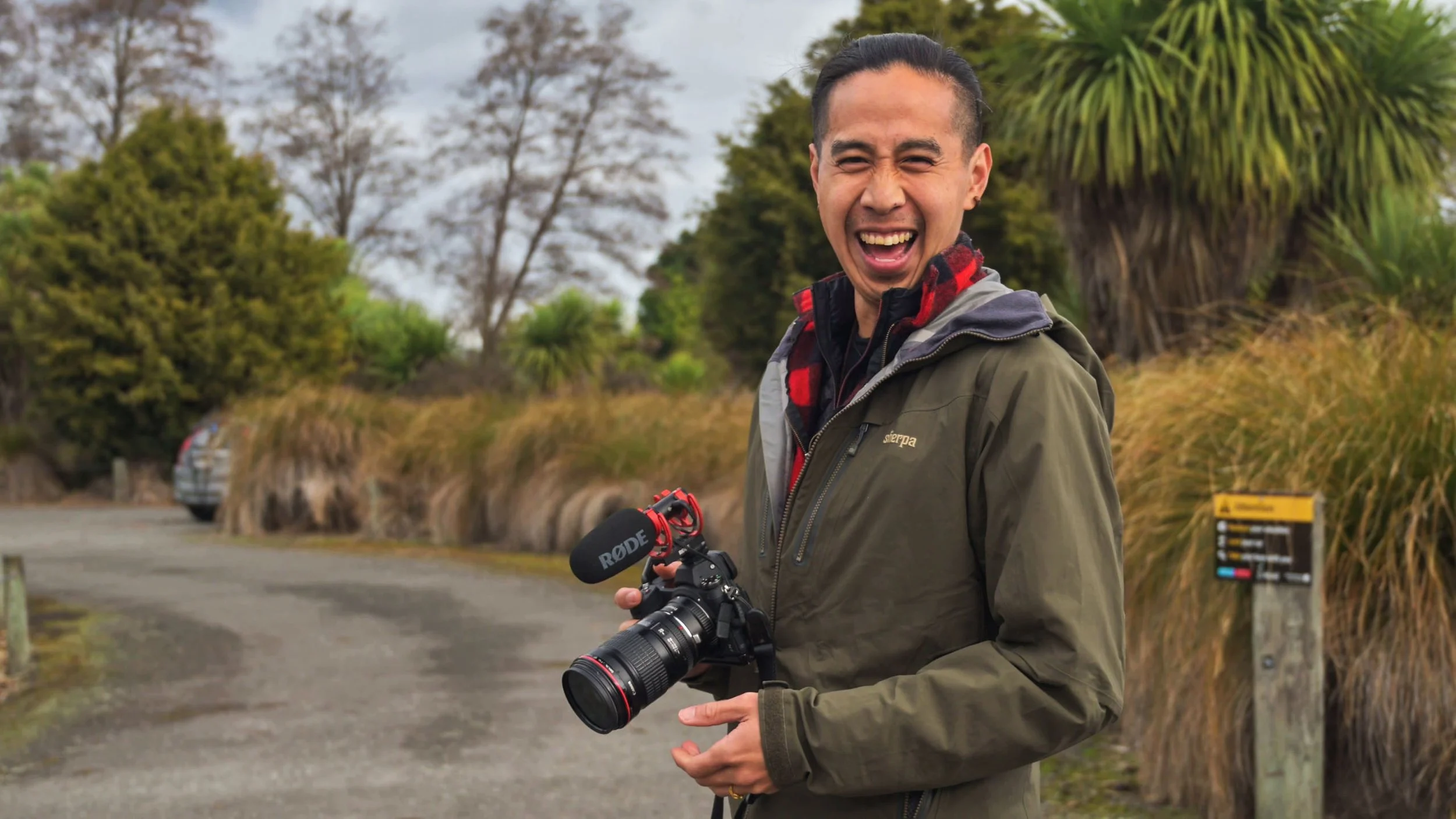
Kai J. Lee
Filmmaker, storyteller, participant
Kai Jonathan Lee is a visual storyteller, photographer, and filmmaker based in Ōtautahi Christchurch, operating under Subtledream Productions. Originally from Hong Kong, raised in California, and shaped by years of nomadic work across Nepal, Ecuador, Panama, México, and the US, he brings a quietly global lens to deeply local stories.
With a background spanning documentary photography, community communications, and podcast production, Kai's work has appeared in CNN, National Geographic España, Grist, and LA Yoga, and has been exhibited across three continents. He built Beacon Food Forest's social media presence from the ground up, launched Conscious Impact's entire digital presence, and has spent nearly two decades using visual storytelling as a tool for connection, education, and regenerative change.
Chifull is his first short documentary in Aotearoa New Zealand, and in many ways a homecoming of purpose: a story about soil, community, and food sovereignty made by someone who has spent years documenting what humans can do when they choose to take care of each other and the land beneath their feet.
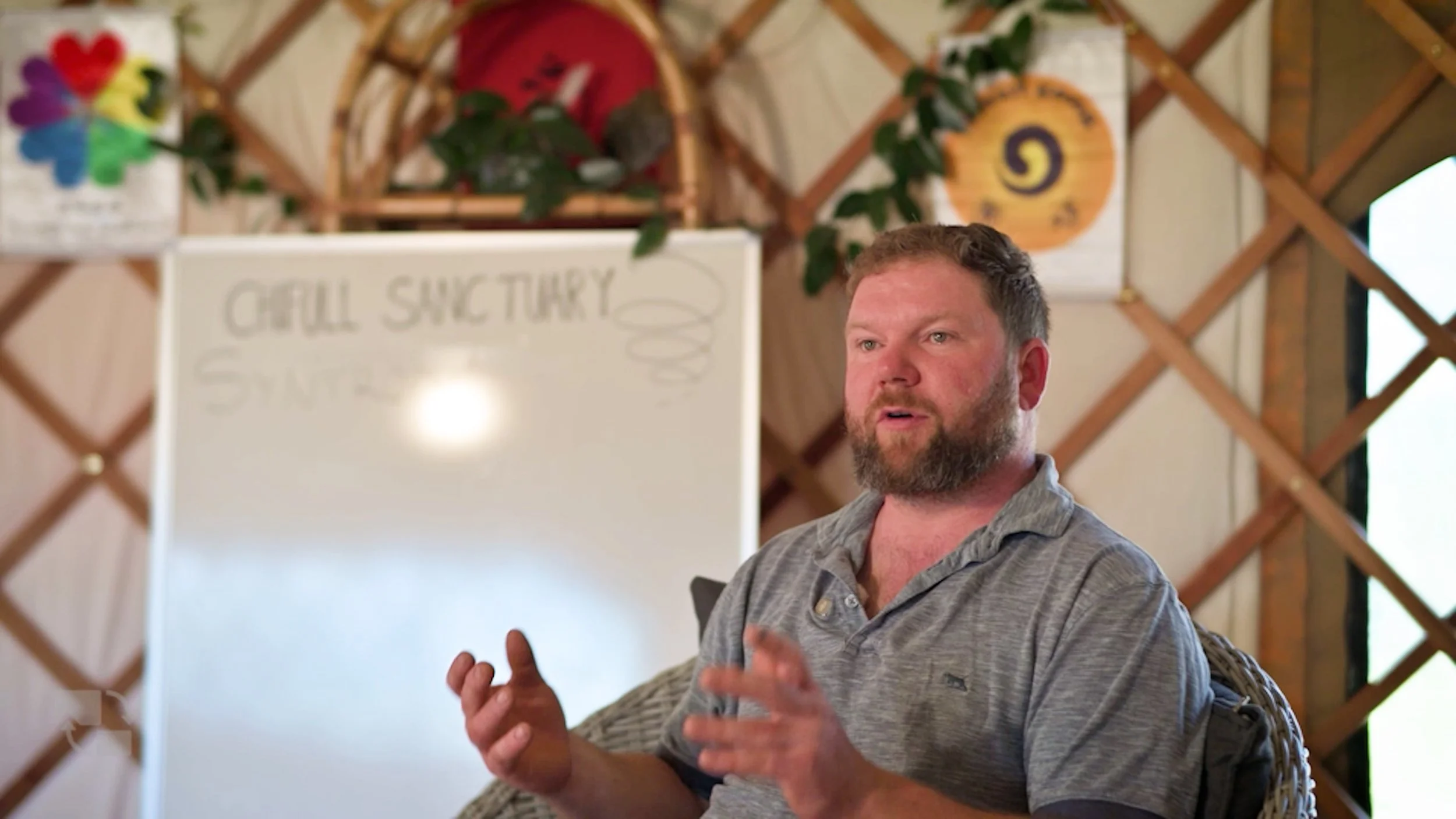
Duncan Mackintosh
Syntropic agroforestry teacher
Duncan grew up on a farm in Zimbabwe that his father managed with everything he had: not holistically as a label, just holistically as a way of living. The veggie garden was his snack cupboard. He would head out to see what was ready, pick a head of lettuce, and smoosh it into his face. Sweet, he says, because it was picked fresh right there, grown in good soil. That, for Duncan, has always been the whole point.
When his family relocated to Aotearoa, they eventually settled in the Tasman region, drawn by its fruit-growing culture. Duncan planted trees and expected abundance. What he got instead was pest pressure, depleted soil, and the same additive loop everyone around him was caught in: buy something off the shelf, apply it, walk away. Same year, next problem. It was his partner Jade who introduced him to syntropic agroforestry, and something clicked. You don't need inputs. You need what is already on the land, managed in a way that works with nature's patterns rather than against them.
Once that understanding settled, he couldn't keep it to himself. He spent months ahead of the October 2025 workshop growing and preparing every tree that would go into Chifull Sanctuary's first syntropic food forest. For Duncan, the stakes are simple: plant something now that can feed us, our children, and their children.
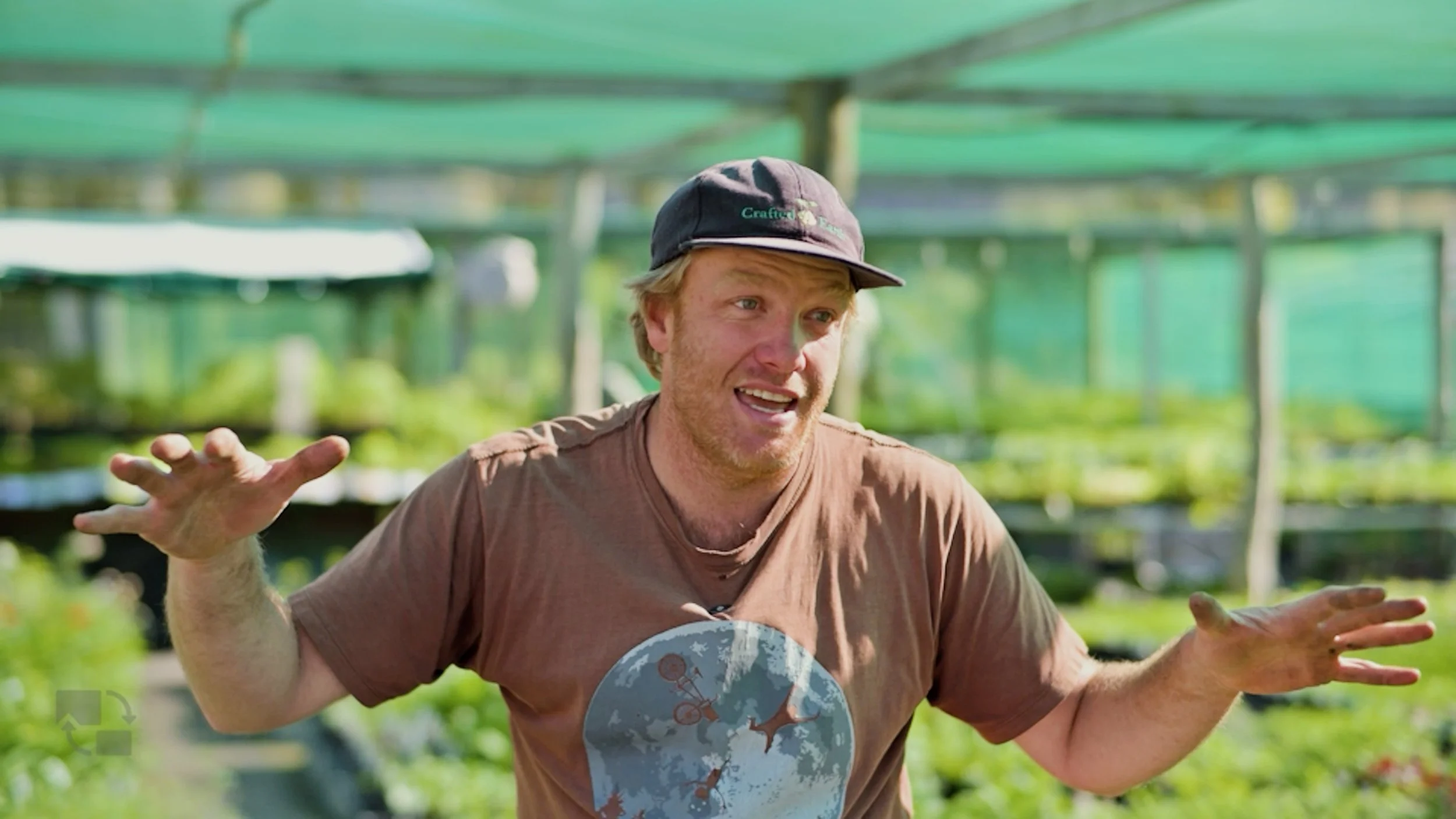
Joel Briffault
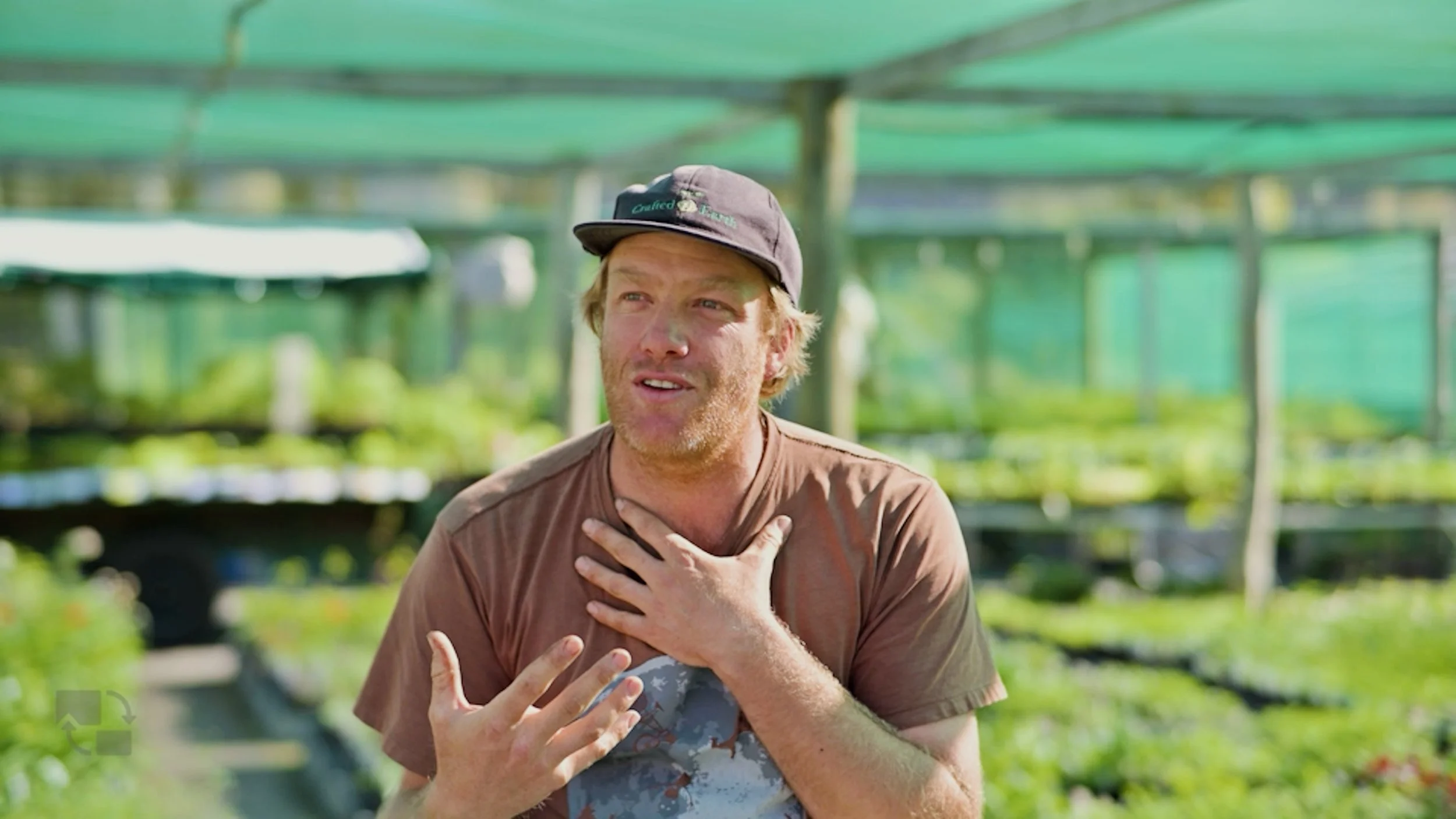
Founder of Crafted Earth
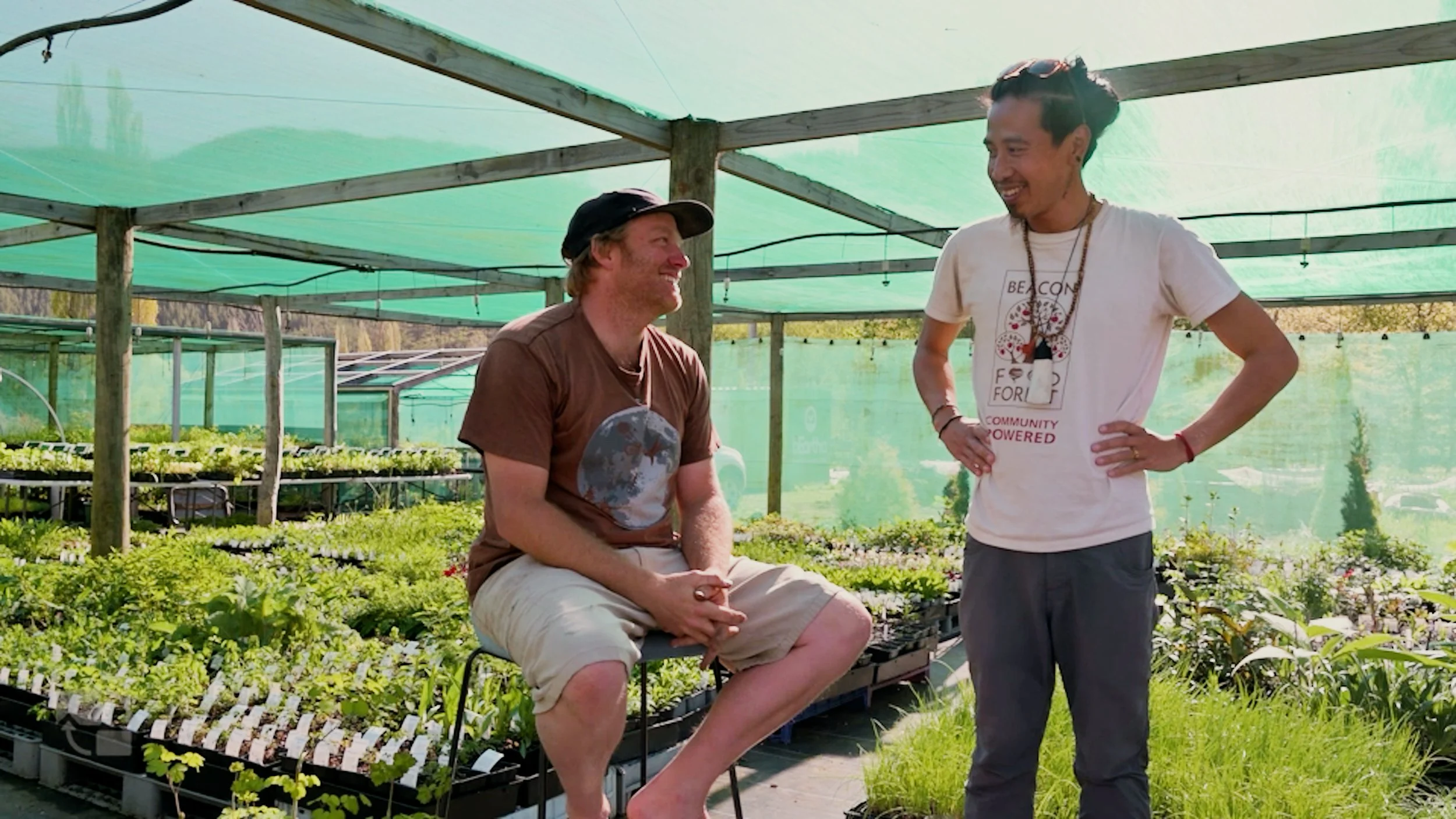
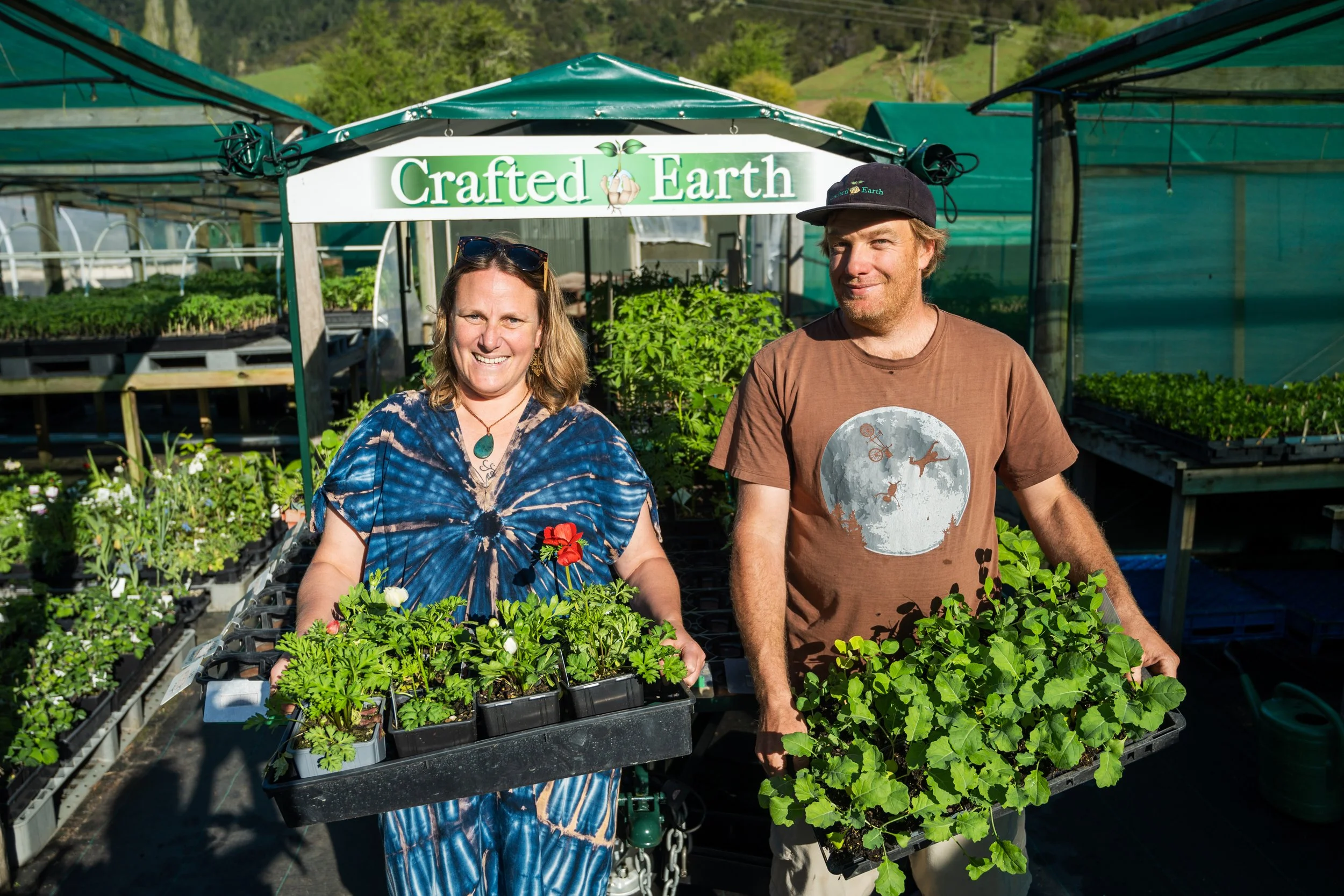
Joel started growing food at fifteen because he didn't like what he saw in the food system. Six years ago he founded Crafted Earth, a nursery and education business in the Nelson-Tasman region aimed at helping people grow food and step back from a system he describes as getting worse by the year. He runs seasonal home-growers courses, supplies plants and saplings, and has become one of Nicole's closest collaborators at the Sanctuary. He is direct about the stakes: genetic engineering, chemicals, dependency, the slow erosion of people's right to know where their food comes from. And equally direct about the antidote: start with three pots at your doorstep. One tomato. One zucchini. One cucumber. You can survive. Joel is a board member of the collective and a grounding, generous presence throughout the film.
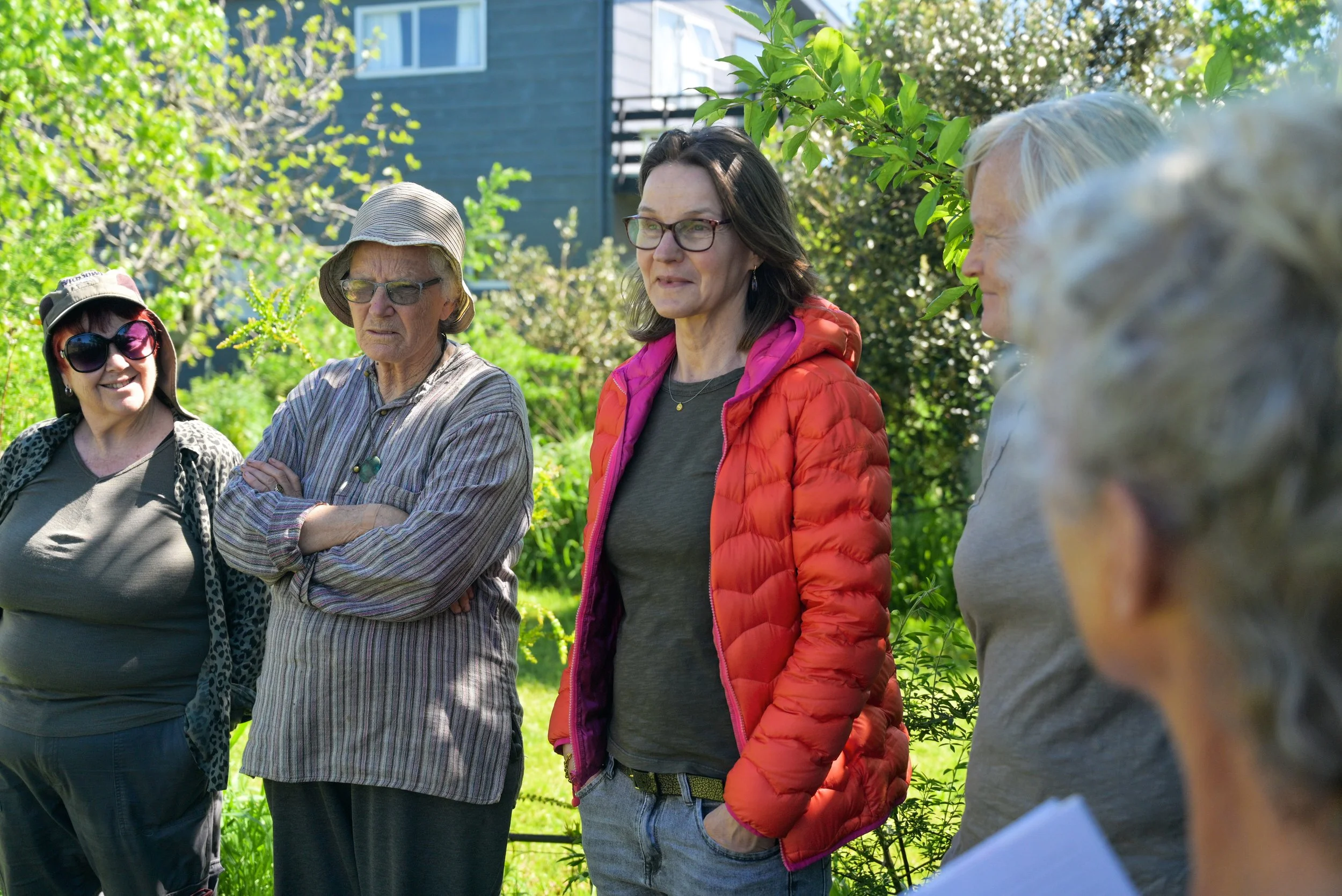
Ute Decker-Partridge
Funder, lawyer, participant
Ute came to the weekend as a client of Nicole's, a long-time supporter of the initiative, and a participant in the planting itself. Her decision to fund the project reflects a belief that this work matters: not as charity, but as investment in a more resilient, connected way of living.
The Unfolding
Chifull is currently in the final stages of production, with a visual cut expected to be ready for the team in Riwaka by late May 2025. From there, the plan is to bring the film into the world the way the food forest itself was planted: in community, with care, and in more than one place at once.
Nicole and the Chifull whānau are planning a premiere at a theatre in/near Motueka, a fitting home for a story rooted in that corner of Aotearoa. Here in Ōtautahi Christchurch, screenings are being explored at a handful of spaces that share the film's kaupapa: a community house, a vegetarian café, and the permaculture centre at the Climate Action Campus. Each screening will include a live introduction and Q&A, so the conversation the film starts doesn't have to end when the credits roll.
If you're based in either region and want to host a screening, or simply want to know when and where you can watch it, get in touch. The more corners this story reaches, the better.
"The future is actually up to us." - Joel
Let’s Work Together
